Gareth named Development Chef of the Year at Craft Guild Chef Awards 2025
1 September 2025
Award-winning maritime cadets recognised at leading colleges
3 July 2026Dr Johan Bernard: celebrating a 30-year career at sea
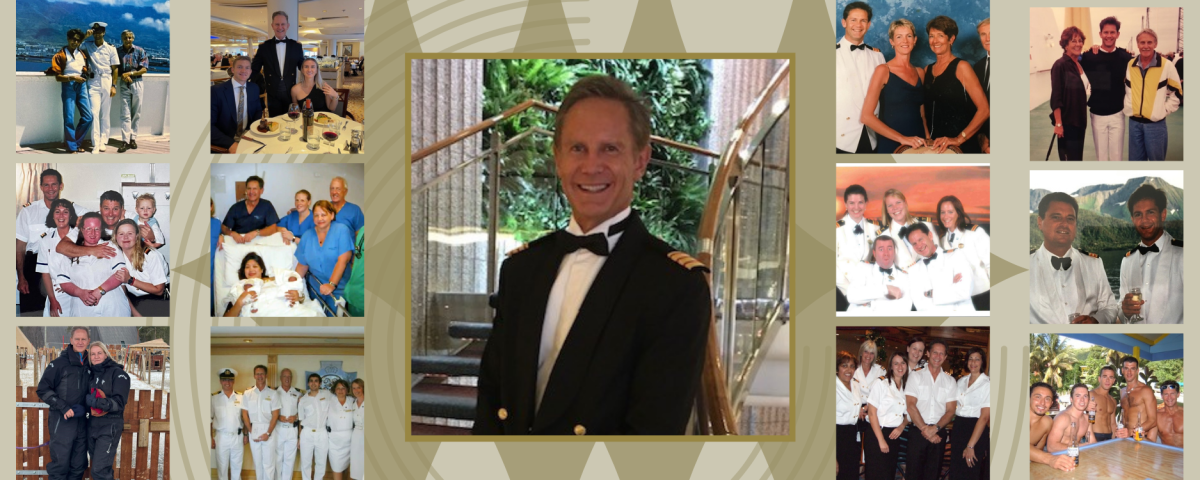
After more than 30 years at sea, Dr Johan is retiring from an exceptional career as a cruise ship doctor with Cunard and P&O Cruises.
From joining the legendary Canberra in 1996 to completing 12 World Cruises, Johan’s career has been defined by consistency, responsibility and care for guests and crew across the globe.
My journey into medicine and life at sea
“I never grew up with a burning ambition to become a doctor. However, when I turned 17, I knew I wanted to study something meaningful. I applied to study Medicine at the University of Stellenbosch, was accepted, and simply followed that path.
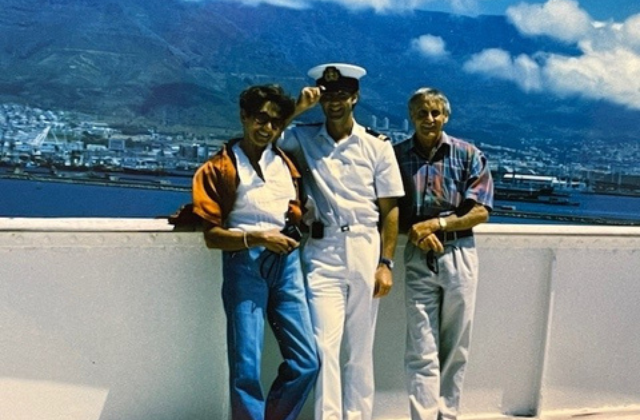
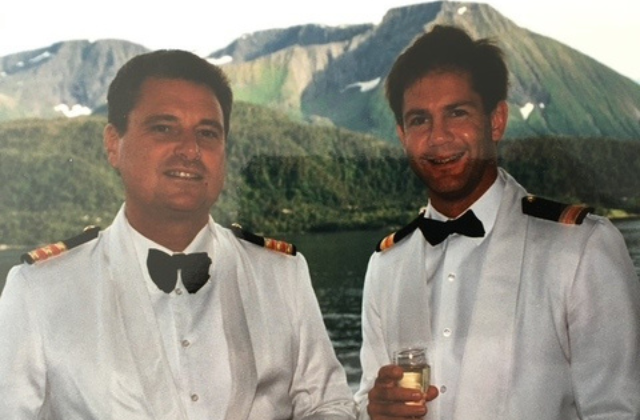
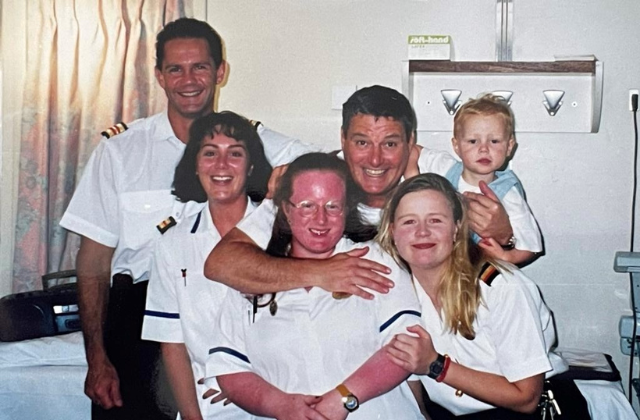
Working at sea happened just as unexpectedly. After finishing a contract in Saudi Arabia, I had a short break before my next role. A colleague suggested applying for a ‘doctor at sea’ position on a cruise ship, something I didn’t even know existed. I answered an advert in the BMJ, received a call from P&O Cruises the next day, and interviewed with the medical director at the time. Two weeks later, on 3 January 1996, I joined the Canberra for her World Cruise. That moment changed everything.
Stepping on board the Canberra
I remember that first day as clearly as if it were yesterday. The Canberra looked enormous to me – 45,000 tonnes of understated, classic luxury. After a brief handover, I wandered the ship in complete awe; everything felt surreal and exhilarating.
At the time, I had no idea that I was stepping onto a maritime icon, or that I was beginning a career that would span three decades.
Over the years, I would visit around 130 countries, travel more than 3.3 million nautical miles, and complete 12 full World Cruises. It has been an extraordinary privilege.
What life as a cruise ship doctor is really like
Medically, the work was broadly what I expected. However, the reality of life at sea – the pace, the culture and the scale – was far beyond anything I had imagined. When I first joined, I didn’t realise that doctors were officers, or that I would be living in a single‑berth cabin. I also didn’t realise that, at the time, crew doctors were on call every night. That became my reality for four years.
Many people assume that guests leave their illnesses behind when they go on holiday. In reality, shipboard doctors manage serious and complex medical cases, often in unpredictable and remote environments. Doctors are on call 24 hours a day for months at a time, and you must always be ready for the unexpected.
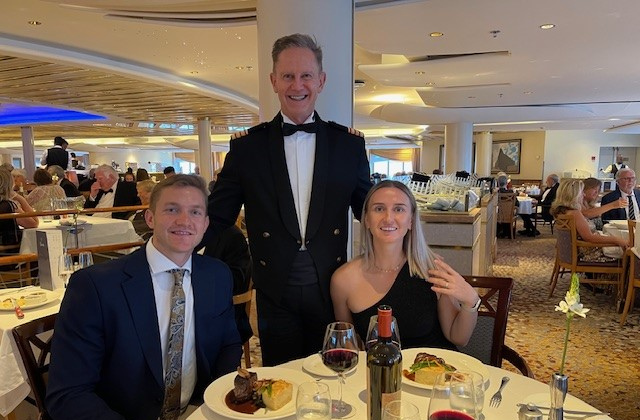
Teamwork at sea
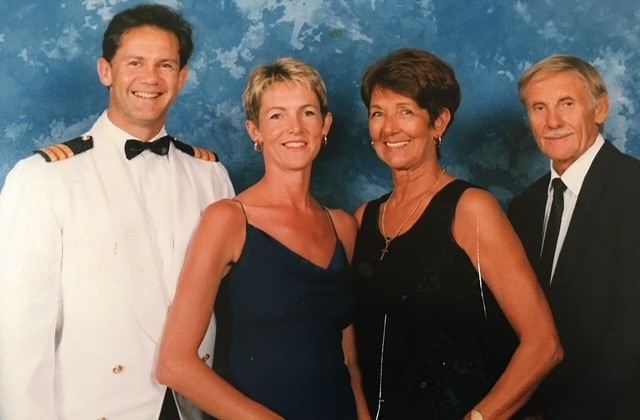
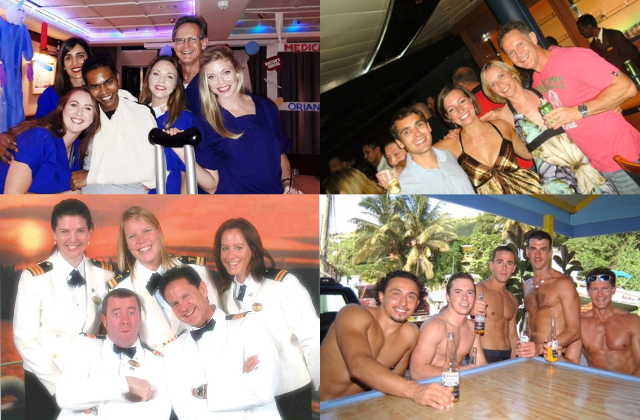
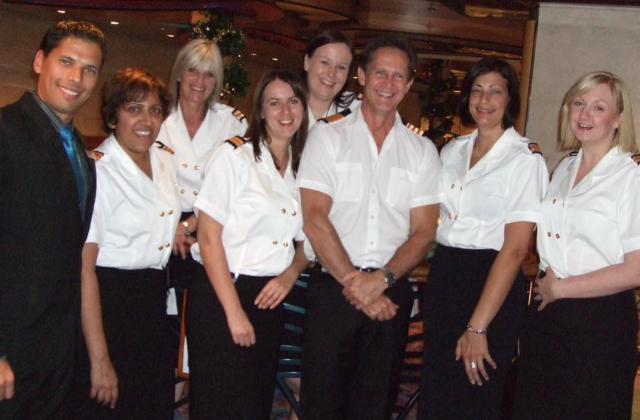
Teamwork is absolutely essential on board. The ship functions best when there is strong collaboration within the medical team, between departments, and between ship and shore. Clear communication and mutual support are what keep everything running safely and smoothly.
Over the years, I’ve seen onboard medical capabilities improve significantly. Communication with shore‑based medical teams has advanced enormously. Even so, when you’re caring for critically ill patients at sea, especially on remote itineraries, the responsibility always rests with the onboard clinicians. That responsibility shapes you, both professionally and personally.
Moments I’ll never forget
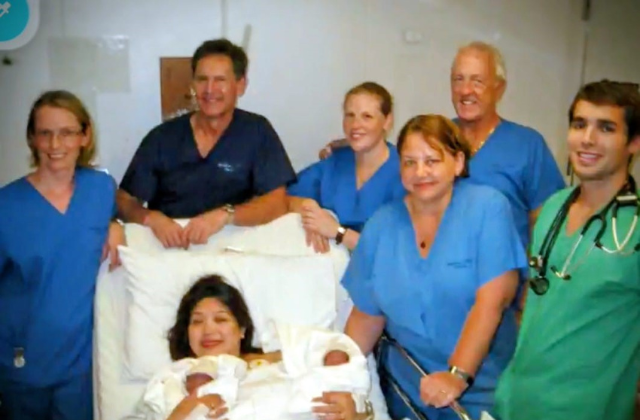
There are many moments that stay with you over a career like this. One of the most unforgettable was delivering premature twins at 30 weeks’ gestation on board Oriana in November 2010. When the mother and babies disembarked safely in Singapore 17 hours later, the entire ship gave them a standing ovation. I was deeply honoured to later learn that the eldest boy carries my first name as his second name.
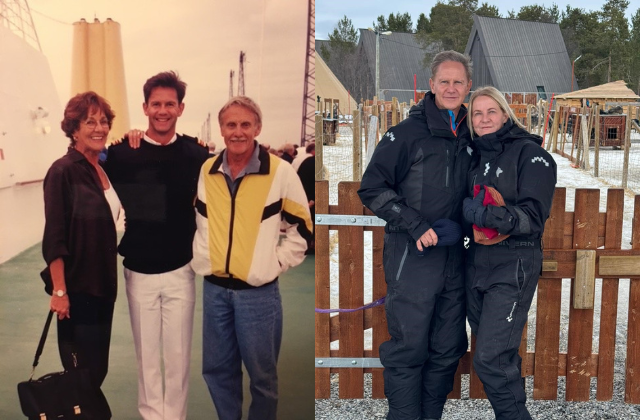
The most rewarding moments are quieter ones. When guests or crew return months or years later, seek you out, and thank you for the care you provided, those moments make every challenge worthwhile.
What I’m most proud of
I’m most proud of maintaining a steady, reliable standard of care throughout my 30 years at sea. A long, unblemished service record isn’t built on dramatic moments alone. Instead, it’s built on consistency, showing up, doing the job properly, and supporting the people around you, day after day, year after year.
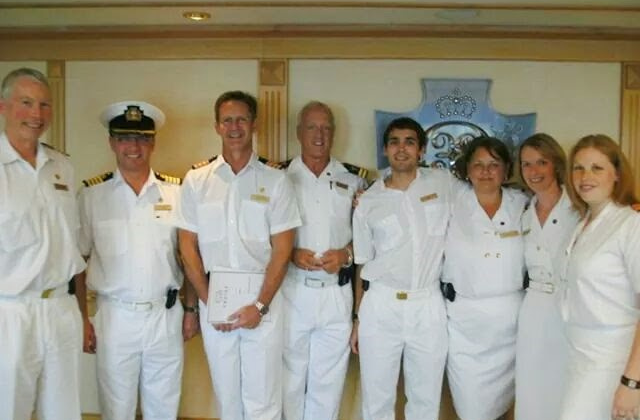
I also take great pride in watching junior doctors grow. Some have gone on to become specialists on land, while others have developed into excellent senior shipboard clinicians. Being part of that journey has meant a great deal to me.
Looking ahead
As I retire, I’m looking forward to a quieter pace of life while staying physically and mentally active. I plan to divide my time between more than one country, including South Africa, and to be involved in community‑level charity work at my own pace.
When it comes to how I hope to be remembered, I would like to think of myself as someone who served consistently and conscientiously; who learned from every colleague; and who did their best to keep shipboard medical departments steady, fair and dependable over three decades at sea.”
On behalf of Cunard and P&O Cruises, we would like to thank Johan for more than 30 years of dedicated service at sea. As he steps into retirement, we wish him every happiness in the next chapter and thank him for the contribution he has made to life at sea with us.